Why Bhutan
A kingdom that chose happiness over growth, culture over commerce, and forests over profit.
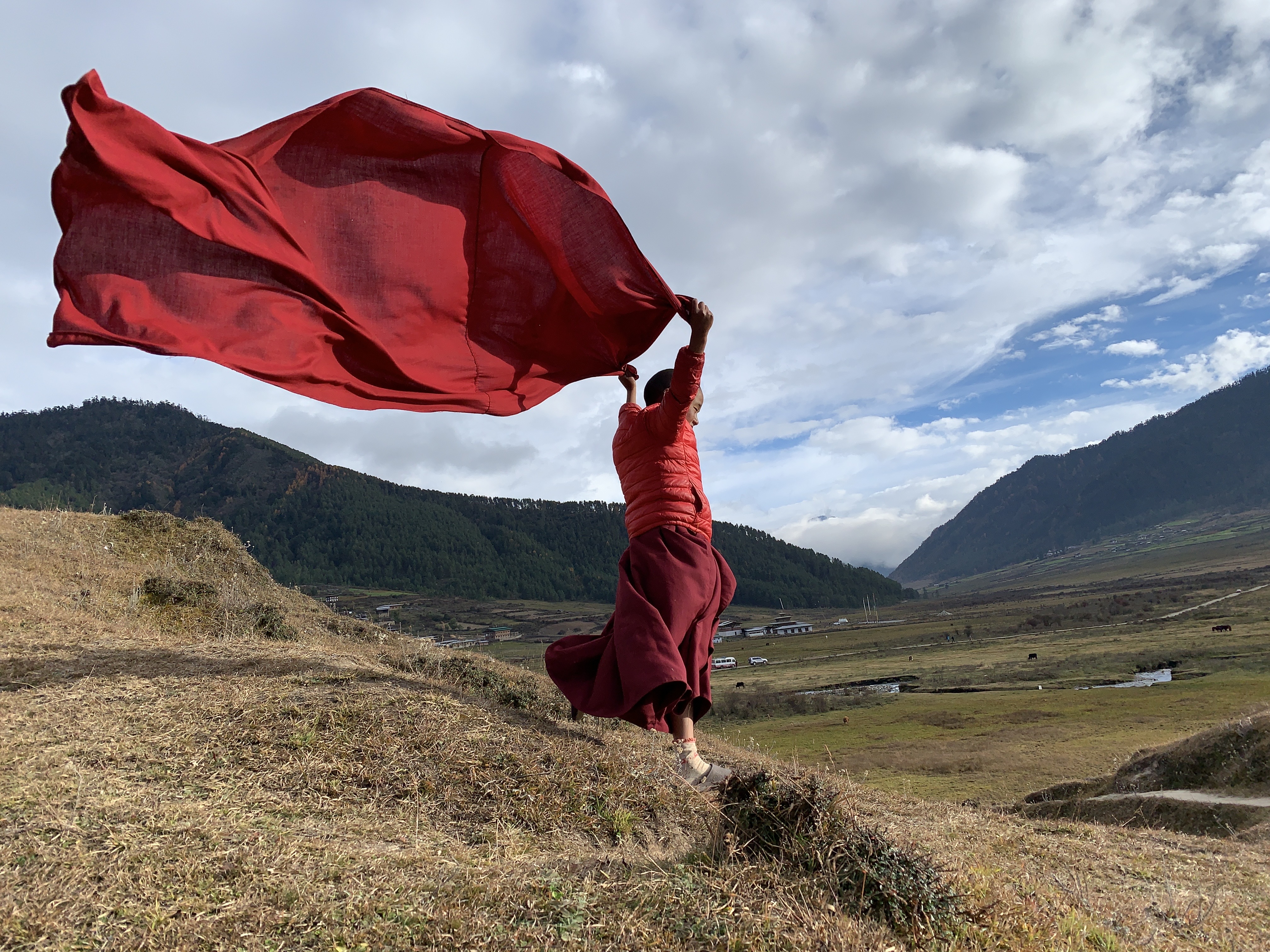
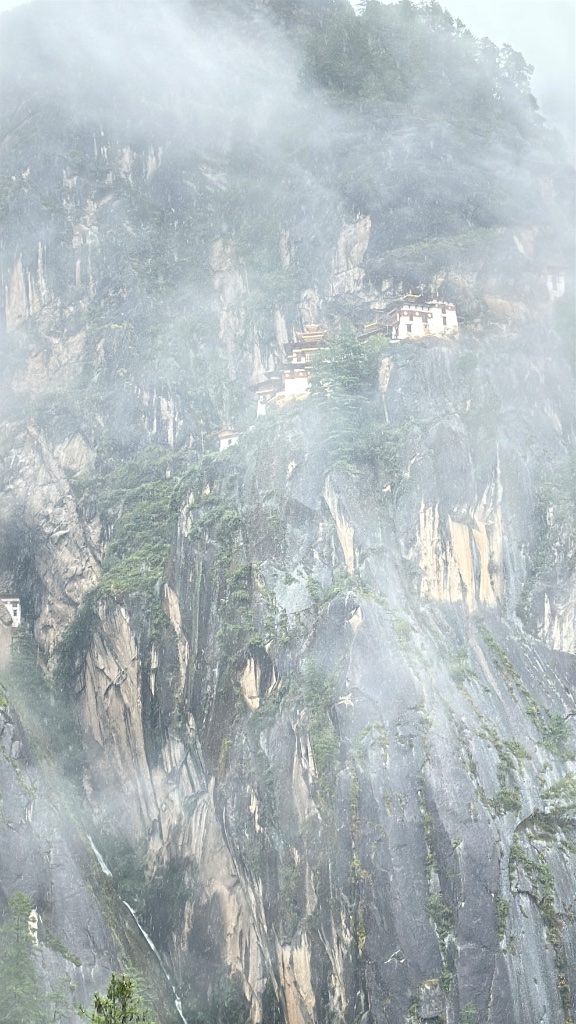
"Hidden in the folds of the eastern Himalaya, Bhutan is the last great Buddhist kingdom — a place where time moves to the rhythm of prayer wheels, not clocks."
Bhutan opened to tourism only in 1974, and has guarded its culture and environment fiercely ever since. There are no traffic lights in the capital. Tobacco is regulated. And the constitution requires at least 60% forest cover — forever. This is travel as the world wishes it could still be.
The Himalayas
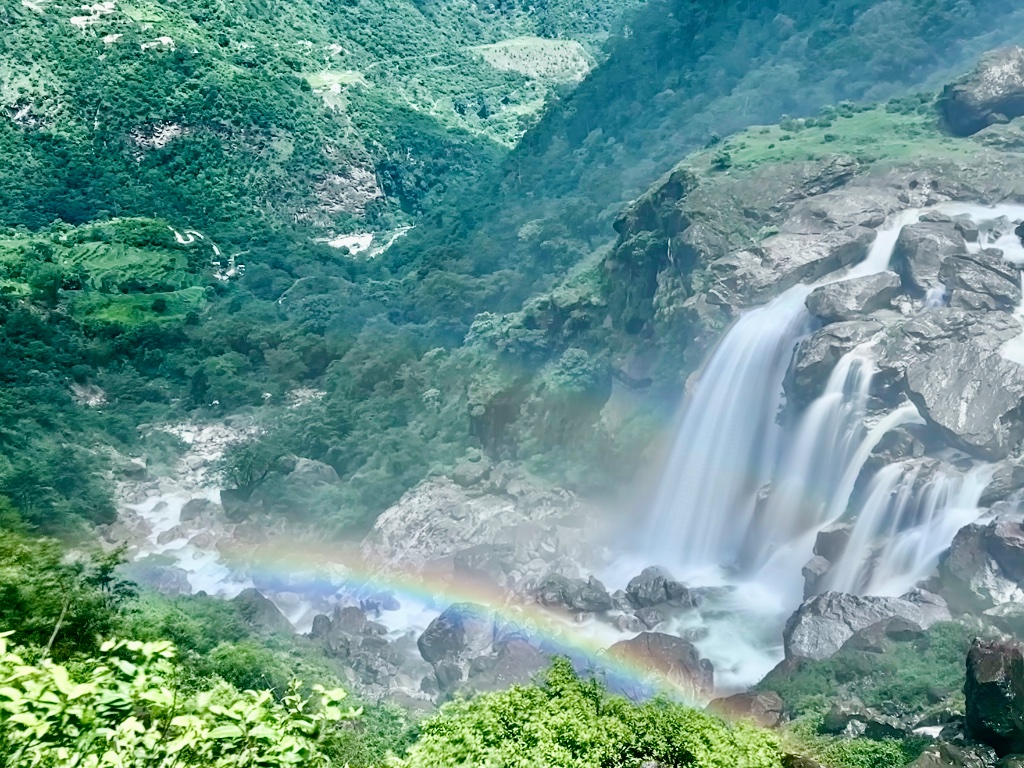
Bhutan rises from subtropical plains to peaks exceeding 7,500 metres. The high passes — Dochula, Chelela, Pangotse — offer vistas that stretch to the snow-crowned eastern Himalaya, where the air feels thinner and the silence deeper.
Living Culture
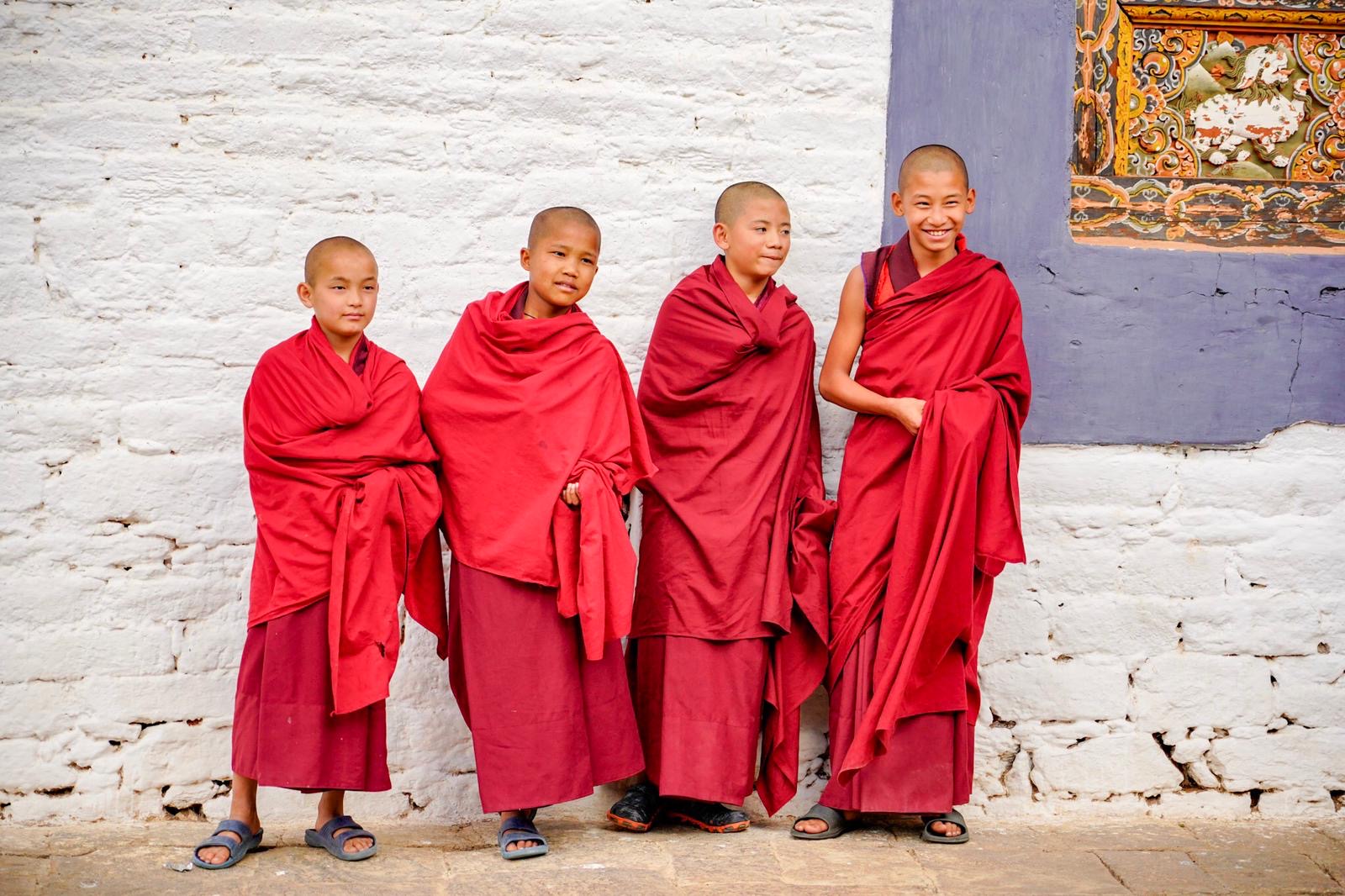
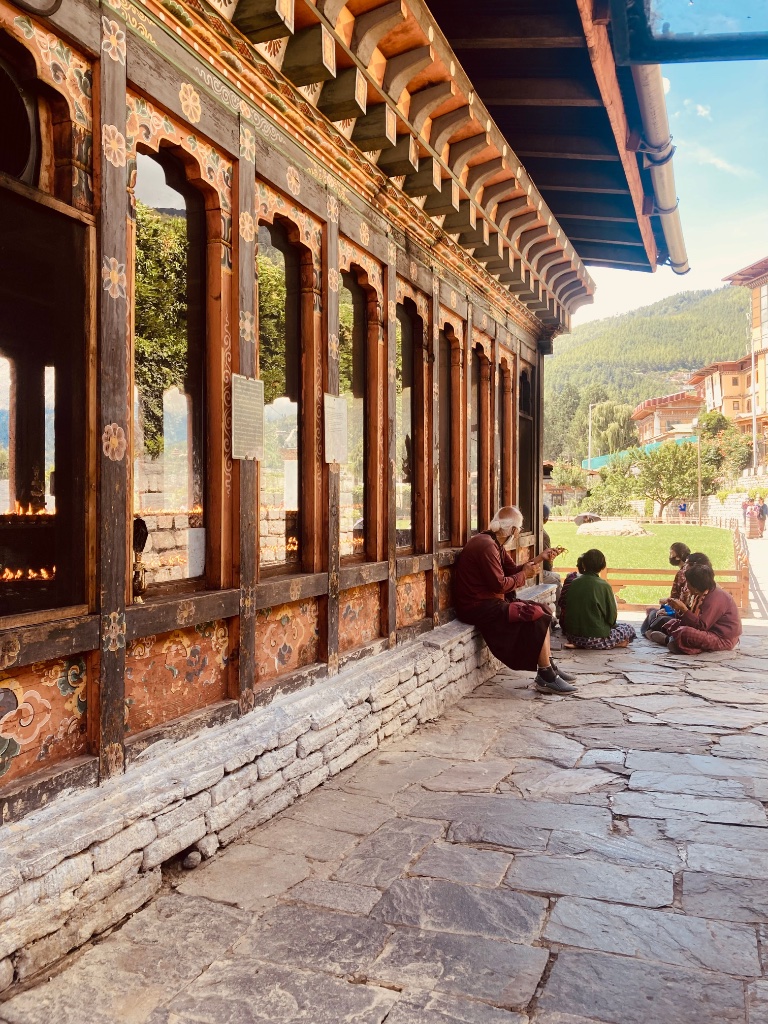
Bhutan's culture isn't preserved behind glass — it's lived. Monks chant at dawn, archers compete at festivals, and ancient dzongs still house both monastic bodies and government offices. Vajrayana Buddhism shapes daily life here as it has for centuries.
Food & Tea
Bhutanese cuisine is hearty and warming — ema datsi (chilli and cheese), red rice, momos, and butter tea brewed in wooden churns. A farmhouse dinner with a local family is one of the most genuine experiences you can have.
Festivals (Tshechu)
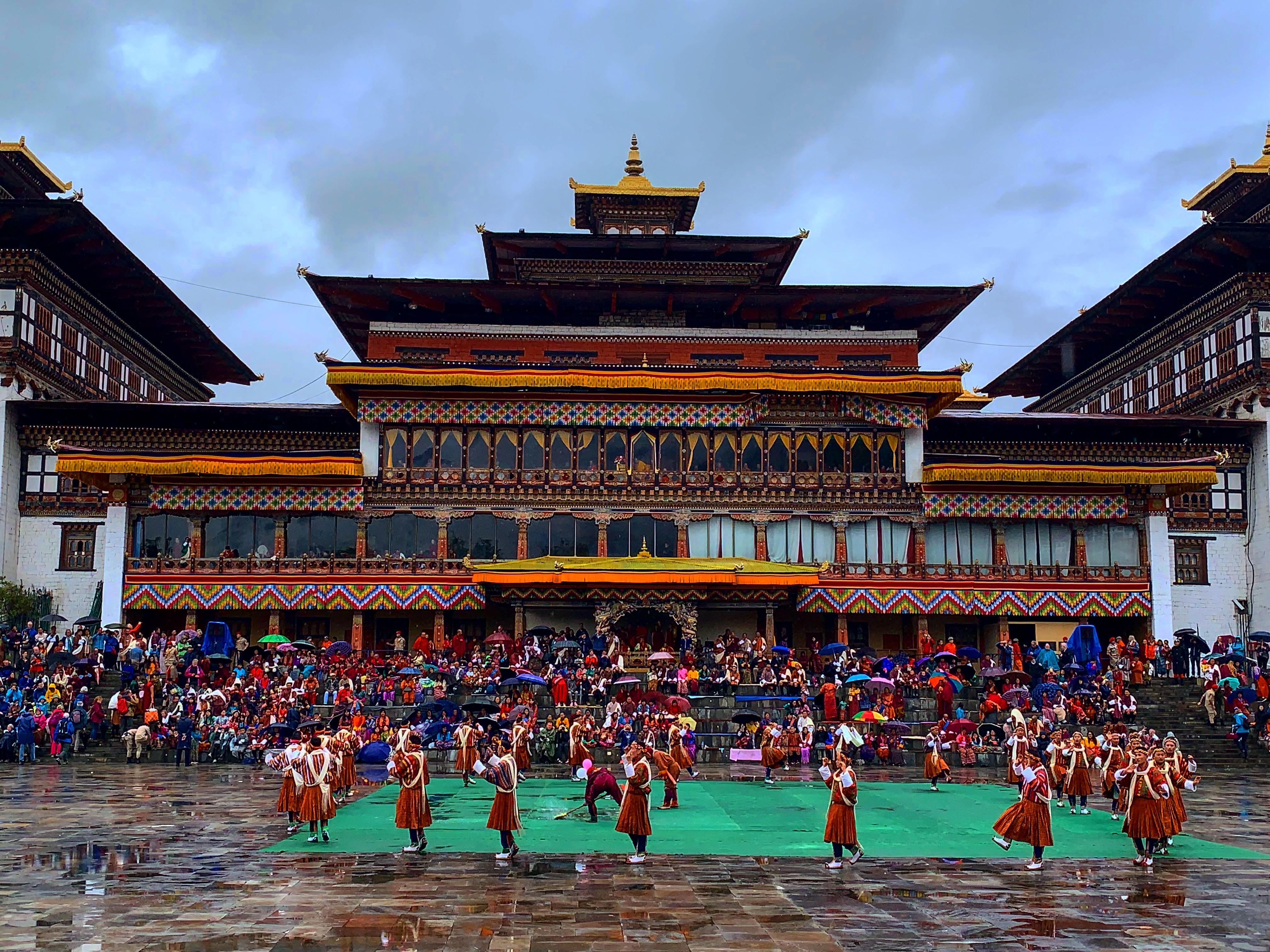
Tshechus are sacred festivals held in monastery courtyards, where masked dancers perform cham dances recounting Buddhist legends. Attending one is to witness devotion as art — colour, rhythm, and centuries of meaning in motion.
Safety
Bhutan is widely regarded as a safe and welcoming country to visit, with low crime rates and a gentle, hospitable people. On-ground support is available throughout your journey via our local partner.
Responsible Tourism
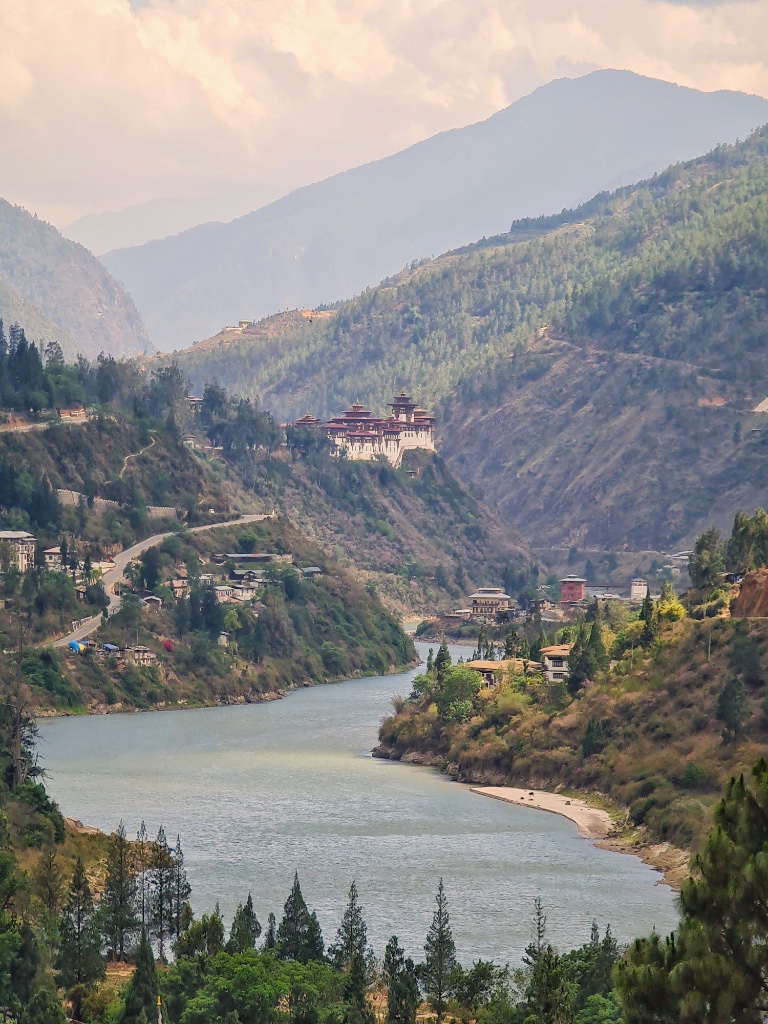
Bhutan measures success in Gross National Happiness, not GDP. It's one of the world's few carbon-negative countries, with over 60% forest cover maintained as the constitution requires. Your sustainable development fee supports public services and conservation.
Visa & When to Visit
Visa & Permits
All visitors need a visa, arranged in advance through a licensed Bhutanese operator. We handle everything — you simply arrive. Visas are typically issued within 5–7 days of application.
Best Time to Visit
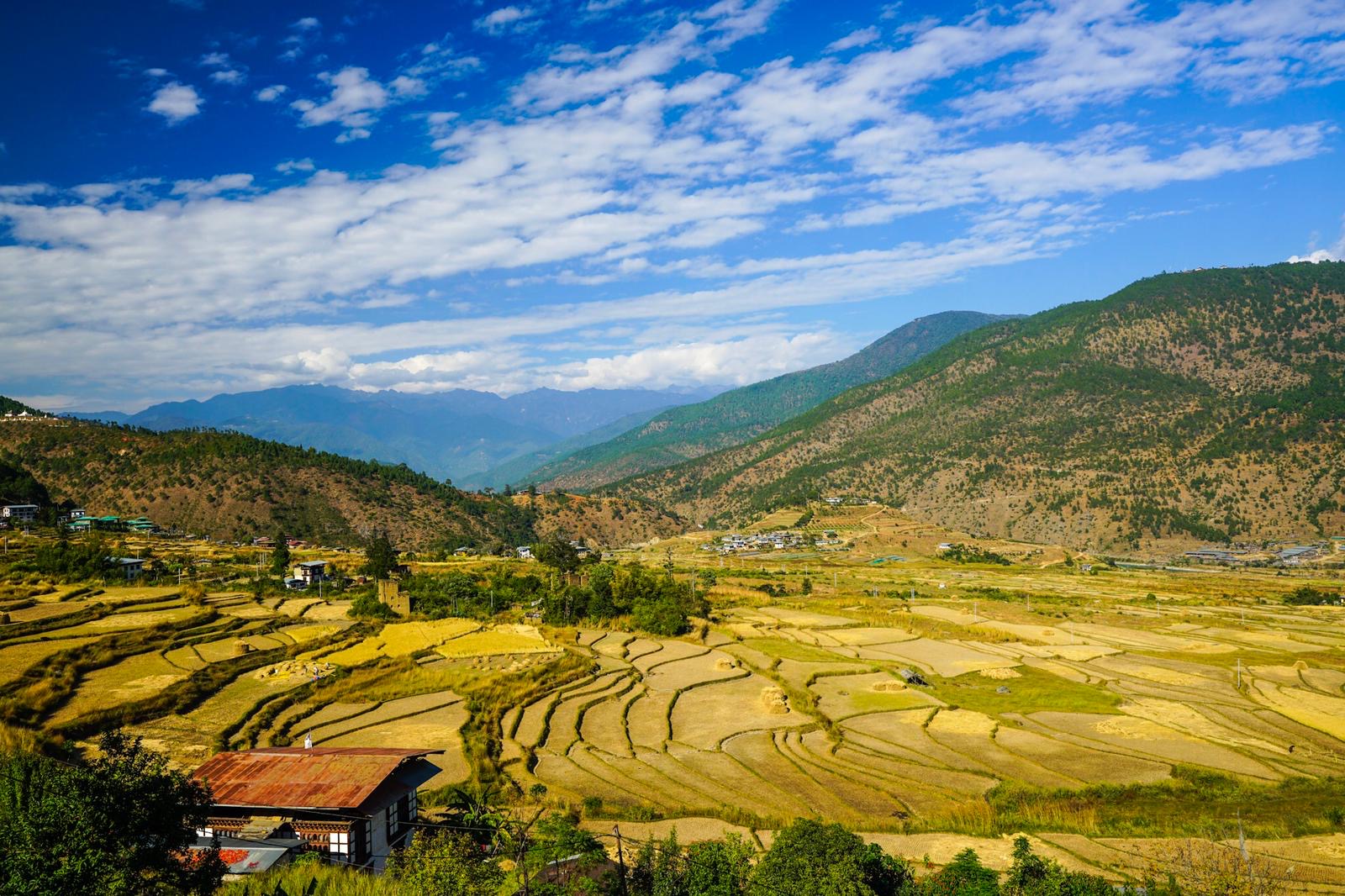
Spring (March–May) and autumn (September–November) offer clear skies, mild temperatures, and festival seasons. Winter brings crisp views and fewer crowds; monsoon (June–August) is lush but wet.
Planning Bhutan shouldn't feel overwhelming
Book a free 15-minute consultation with a Bhutan specialist. We'll answer your questions, understand your travel dreams, and shape a journey that's right for you — with absolutely no obligation to book.
- Answer all your Bhutan questions
- Recommend the perfect itinerary for you
- Explain visa, permits & travel requirements
- Help plan your dream journey — no obligation